Destination guide · North America
Mexico City (CDMX)
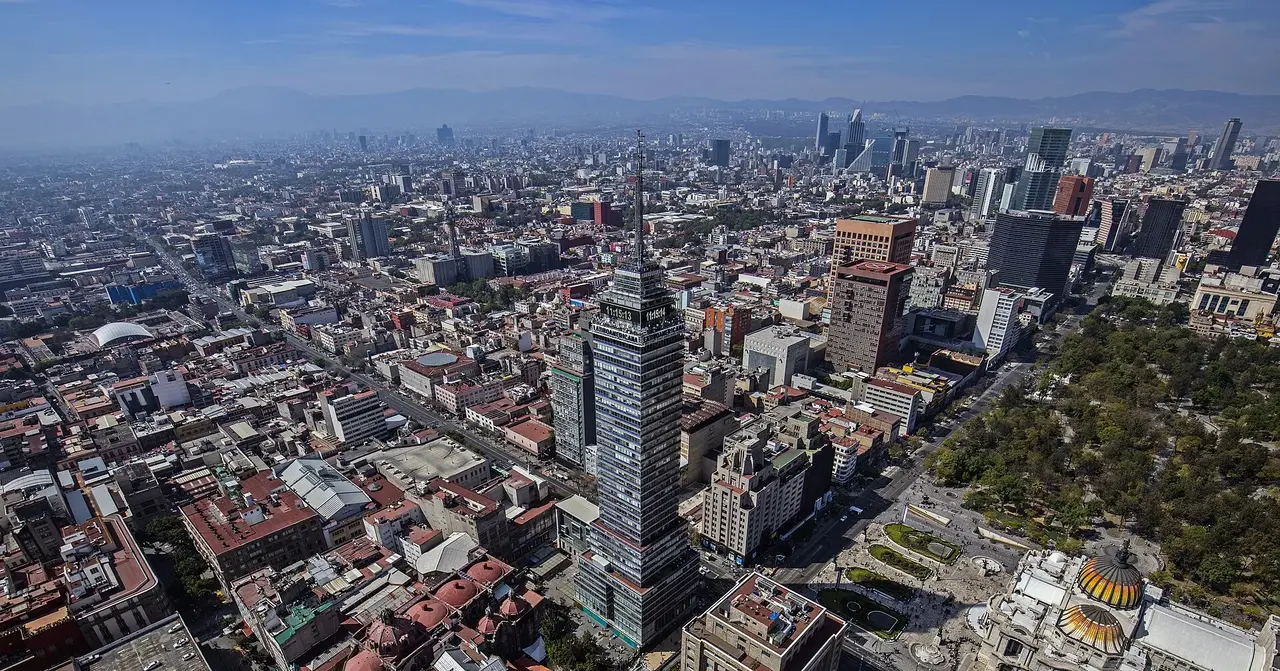
Highland megacity of 22 million — Aztec ruins under colonial palaces, Frida Kahlo's Coyoacán, tacos al pastor on every corner, and a cost of living that undercuts most Western capitals by half.
The short answer
- Cost: mid-range ≈ $102–181/day
- Best time: Dry season (November–April); autumn (Oct–Nov) hits the sweet spot — Day of the Dead spectacle, mild days, cool nights
- Vibe: Highland megacity of 22 million
Currency
MXN
1 USD = 17.6989 MXN
ECB reference rates via the Frankfurter mirror (providers=ecb), 25 September 2026
Country
Mexico
Best time
Dry season (November–April); autumn (Oct–Nov) hits the sweet spot — Day of the Dead spectacle, mild days, cool nights
Verified
September 2026
Money & cards
Currency is the Mexican peso (MXN). Cards are widely accepted in Roma/Condesa/Centro Histórico, but carry cash for street food, markets (Mercado de Coyoacán, Mercado San Juan), and Metro tickets. ATMs in Oxxo stores have the best rates.
SourceTipping
10–15% at sit-down restaurants is standard (check that service charge isn't already included). Street food and market stalls: round up or leave a few pesos. Tour guides: 100–200 MXN per person.
SourceSIM / eSIM
Prepaid Telcel and AT&T SIMs are sold at Oxxo, Telcel shops, and the airport. Telcel has the best coverage. eSIM support is widely available via Airalo or Holafly for Mexico.
Power plugs
Plug type A/B (North American two-pin, 127V 60Hz) — same as the US/Canada. No adapter needed for US travelers; EU/UK travelers need a plug adapter.
SourceWhat a day costs
Verified September 2026
Per person, per day, by travel style — local currency MXN, converted at 17.6989 MXN/USD. Conversion rate: ECB reference rates via the Frankfurter mirror (providers=ecb), 25 September 2026.
- Hand-verified September 2026 against Nomadic Matt Mexico City Budget Guide (2026), Trip.com Mexico Trip Cost 2026, and Numbeo Mexico City.
- Budget 900–1,400 MXN/day (~$48–75) — hostel dorm, street food, Metro. Mid 1,800–3,200 MXN/day (~$97–173). Comfortable 4,000–7,000 MXN/day (~$216–378).
- No tourist tax; 16% IVA included in posted prices.
- Currency: ~18.5 MXN/USD (September 2026); the peso has weakened slightly over 12 months.
- Accommodation is the swing factor: hostel dorms ~225–300 MXN; budget private/Airbnb ~300–900 MXN; mid-range boutique ~1,400–2,500 MXN.
- Metro costs 5 MXN/ride (one of the cheapest in the world); DiDi ride-hailing widely available.
Day by day
- 1
Centro Histórico on foot
- 2
Roma + Coyoacán
Plan Mexico City (CDMX) with our tools
Every tool runs in your browser against our dated cost dataset — no sign-up.
TL;DR
Mexico City is the rare megacity where $50/day is a comfortable budget — the site’s hand-verified dataset (September 2026) puts mid-range at 1,800–3,200 MXN/day, flights ~$400–600 from major US hubs. Aztec ruins, Frida Kahlo’s house, world-class museums, and tacos al pastor for 20–30 pesos are all cheap or free. The dry season (November–April) is ideal; October–November hits the sweet spot with Day of the Dead spectacle and mild 22°C days. Visa-free for up to 180 days for US/EU/UK/Canadian nationals.
Who it’s for
- Budget travelers who want big-city depth at half the cost of Western capitals ($50/day is comfortable, not survival)
- Food obsessives: CDMX’s street food is UNESCO-recognized — tacos, tlacoyos, tamales, and mezcal for pocket change
- Culture + history buffs: Aztec Templo Mayor, Diego Rivera murals, Frida Kahlo Museum, National Museum of Anthropology
- Not for: travelers who need quiet, clean air, or walkable sidewalks everywhere — CDMX is loud, polluted in parts, and the sprawl is real
Quick Facts
| Currency | Mexican peso (MXN) — cards widely accepted in Roma/Condesa; cash for street food, markets, Metro |
| Time zone | CST (UTC-6) — no daylight saving since 2022 |
| Visa | Visa-free up to 180 days for US/EU/UK/Canada/Australia (INM); FMM tourist card issued on arrival |
| Entry | Mexico City International (MEX) — Metrobus Line 4 or Metrobús to center ~30 MXN; DiDi/authorized taxi ~250–350 MXN |
| Transit | Metro (5 MXN/ride), Metrobús (6 MXN), Cablebús (7 MXN) — one of the cheapest transit systems in the Americas |
| SIM/eSIM | Telcel/AT&T prepaid at Oxxo or Telcel shops; eSIM via Airalo/Holafly [inferred] |
| Taxes | No tourist tax; 16% IVA (VAT) included in posted prices |
| Peak months | [inferred] Dec–Jan (holidays), Mar–Apr (spring break/Easter), late Oct (Day of the Dead) |
| Daily mid (verified) | 1,800–3,200 MXN (~$102–$181 USD) — hand-verified September 2026, breakdown below |
Getting there
Flights into MEX (Mexico City International). From the US, budget carriers (Volaris, VivaAerobus) run $150–300 round-trip; major airlines $300–600. Metrobus Line 4 connects the airport to Centro Histórico (~30 MXN). DiDi ride-hailing and authorized taxi booths inside the terminal are safer than street taxis (~250–350 MXN to the center).
Where to stay
Centro Histórico for walking distance to the Zócalo and Templo Mayor; Roma Norte for cafés and nightlife; Condesa for leafy streets and Art Deco; Coyoacán for village feel and Frida Kahlo. Hostel dorms from ~225–300 MXN/night; budget hotels/Airbnb private rooms from ~300–900 MXN; mid-range boutique hotels ~1,400–2,500 MXN (Nomadic Matt, Agoda).
Where to eat
- El Huequito — the al pastor standard-bearer in Centro; tacos 20–30 MXN each.
- Mercado de Coyoacán — tlacoyos, quesadillas, and tostadas in Frida’s neighborhood.
- Contramar — iconic Roma seafood (tuna tostadas, pescado a la talla); book ahead.
- Mercado San Juan — gourmet market for exotic produce, insects, and fine cheeses.
- Street stalls everywhere — tamales, elotes, churros for 15–50 MXN.
Itinerary sketch (2 days)
Mirrors the site’s itinerary dataset (src/data/itineraries.ts):
Day 1: Centro Histórico on foot — Zócalo (the massive main square) → Templo Mayor (Aztec ruins, entry ~95 MXN) → Metropolitan Cathedral → Diego Rivera murals at the Palacio Nacional (free, bring ID) → Mercado de San Juan for lunch → Torre Latinoamericana for the view (~100 MXN).
Day 2: Roma + Coyoacán — Roma Norte cafés (Café Toscano, Lalo!) → Parque México in Condesa → Metrobús to Coyoacán → Frida Kahlo Museum (Casa Azul, ~250 MXN, book ahead) → Mercado de Coyoacán for dinner → cantina crawl on Calle Centenario.
Cost guide (from dataset, hand-verified September 2026)
| Item | Budget | Mid | Comfortable |
|---|---|---|---|
| Daily (per person) | 900–1,400 MXN (~$51–79) | 1,800–3,200 MXN (~$102–181) | 4,000–7,000 MXN (~$226–396) |
| Flights (round-trip, major US hub) | $400 [inferred baseline] | $400 [inferred baseline] | $400 [inferred baseline] |
Hand-verified against two published sources — shown side by side, NOT averaged:
- Budget 1,050 MXN/day (hostel dorm, street food, Metro) per Nomadic Matt; mid 1,900 MXN/day; upscale 3,800+ MXN/day.
- Trip.com brackets budget $30–50/day (555–925 MXN), mid $80–150/day (1,480–2,775 MXN) — both brackets retained.
- No tourist tax; 16% IVA included in posted prices.
Cross-checked against Numbeo’s Mexico City cost of living index. Use the Trip Planner with your dates.
Safety
Mexico City’s main tourist zones (Centro Histórico, Roma, Condesa, Coyoacán, Polanco) are broadly safe during the day and well-trafficked at night. The US State Department advises “exercise increased caution” for Mexico overall due to crime and kidnapping (travel.state.gov); the UK FCO notes petty theft as the primary risk in the capital (GOV.UK). Real risks: pickpocketing in crowded Metro and markets (wear your bag forward), taxi scams (use DiDi or authorized taxi booths, never hail unmarked cabs), and air pollution — CDMX sits at 2,240m with poor air quality on still days; sensitive travelers should check AQI. Earthquakes are a fact of life — know your hotel’s evacuation route. Emergency number: 911.
Good to know (2026)
- Altitude adjustment — CDMX sits at 2,240m (7,350ft). You may feel breathless the first day; hydrate, go easy on alcohol, and don’t overexert.
- Day of the Dead — late October/early November is the city’s most spectacular season. Parades, marigolds, ofrendas in every plaza. Book accommodation early.
- Metro is a steal — at 5 MXN (~$0.27) per ride, it’s one of the cheapest in the world. Buy a rechargeable card (10 MXN) at any station. Avoid rush hour (7–9 AM, 6–8 PM) unless you enjoy sardine physics.
- DiDi over street taxis — the ride-hailing app works well in CDMX, shows the route, and eliminates fare haggling.
- Water isn’t potable — don’t drink tap water. Bottled water is cheap (~15–25 MXN); most restaurants use filtered water for cooking.
- Tipping culture — 10–15% at sit-down restaurants; street food vendors don’t expect tips but rounding up is kind.
- Free museum days — many museums (including the Anthropology Museum) offer free entry on Sundays for Mexican residents; tourists still pay (~95 MXN). Check individual sites.
Frequently asked questions
- How much does a day in Mexico City cost?
- From the site's verified dataset (September 2026): budget 900–1,400 MXN, mid-range 1,800–3,200 MXN, comfortable 4,000–7,000 MXN per person per day — roughly $48–$75 / $97–$173 / $216–$378 USD depending on style.
- Do I need cash in Mexico City?
- Cards work in most restaurants, hotels, and shops in Roma, Condesa, and Centro Histórico. But street food, markets, Metro tickets, and tips are cash-only. Withdraw pesos from Oxxo or bank ATMs (avoid airport/currency-exchange counters for better rates).
- Is Mexico City safe for tourists?
- The main tourist zones (Centro Histórico, Roma, Condesa, Coyoacán, Polanco) are broadly safe by day and well-trafficked at night. Petty theft (pickpocketing, bag-snatching) is the main risk — use authorized taxis or DiDi ride-hailing, don't flash valuables, and avoid empty streets after dark. The US State Department advises 'exercise increased caution' for Mexico overall (Level 2).
- What's the best time to visit?
- Dry season (November–April) is ideal. October–November is the sweet spot: Day of the Dead (late Oct/early Nov) is spectacular, the rains have ended, and daytime highs sit around 22°C with cool nights. Avoid March–May if you're sensitive to heat and smog.
- Do I need a visa for Mexico?
- US, UK, EU, Canadian, Australian, and many other nationals do NOT need a visa for tourism stays up to 180 days. You'll receive an FMM (tourist card) on arrival — keep it; you need it to leave. Check the INM website for your nationality.
Sources & facts
| Best time to visit | Dry season (November–April); autumn (Oct–Nov) hits the sweet spot — Day of the Dead spectacle, mild days, cool nights |
|---|---|
| Prices verified | September 2026 |
| Page last updated | — |
| Sources |
|