Post
Wheelchair-Accessible Travel 2026: Real Costs, Best Cities
2026-09-16
The short answer
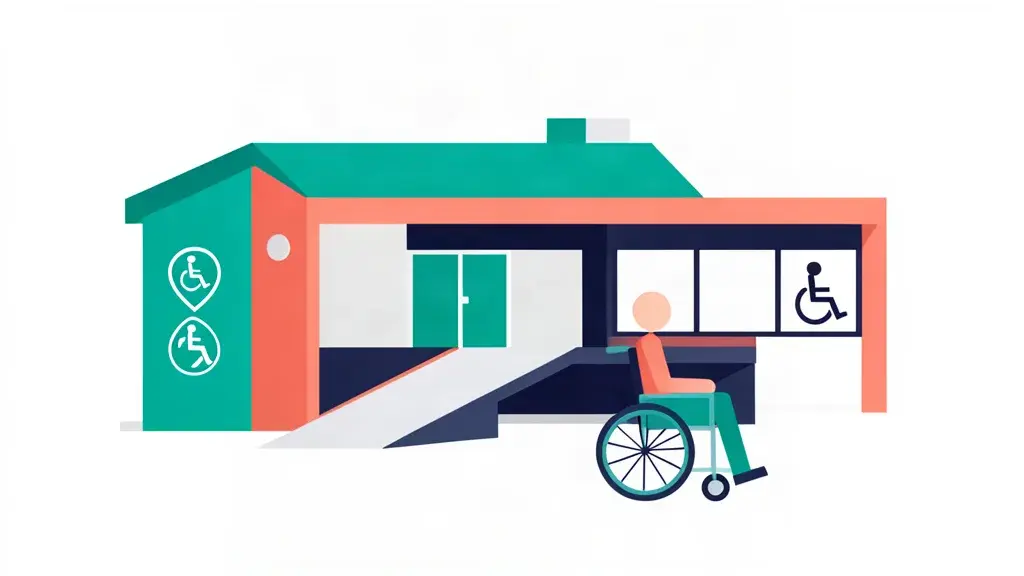
Wheelchair-accessible travel costs 9% more on average than standard travel — but the best destinations charge a premium of zero. Singapore’s metro is 100% accessible. Barcelona has 450+ certified accessible hotels. San Diego is widely regarded as America’s most wheelchair-friendly city.
The $58.7 billion accessible tourism market is growing 11.2% annually, driven by 1.3 billion people worldwide living with disabilities (16% of the global population) plus aging populations. Airlines legally cannot charge extra for wheelchair assistance. US National Parks offer an $80 lifetime Access Pass with free companion entry.
This guide breaks down the real costs, the best destinations in our dataset, and what to book — with dated 2026 sources.
The accessibility cost breakdown
Accessible travel isn’t automatically expensive — it’s a mix of premiums and discounts:
Where costs increase
- Accommodation: Limited accessible inventory means 10–20% premiums during peak season
- Transportation: Wheelchair-accessible van rentals cost $50–150/day more than standard
- Equipment rentals: Scooters $180–400/week, power wheelchairs $150–350/week
- Specialized tours: Accessible tour companies charge $3,000–10,000+/week
Where costs stay the same or decrease
- Airfare: Airlines prohibited from charging extra for disability services (US Air Carrier Access Act, EU Regulation 1107/2006). Wheelchair assistance, priority boarding, medical equipment — all free.
- Attractions: Many museums/parks offer free or discounted entry for disabilities + companion. US National Parks $80 lifetime Access Pass (free companion). UK National Trust free companion entry.
- Public transit: Many cities offer reduced/free transit for disabilities. London Freedom Pass. Barcelona discounts. Singapore concessionary fares.
The net math
Barcelona example (Topologica, 2026): $2,076 per person for one week including $240 scooter rental and accessible hotel premium. Accessibility premium: ~9%, partially offset by attraction discounts and free wheelchair assistance.
The 2026 accessibility landscape
Three trends are making 2026 the best year for accessible travel:
1. Legal protections are enforceable
- US Air Carrier Access Act — airlines must accommodate wheelchairs free of charge
- EU Regulation 1107/2006 — free assistance for disabled air passengers, prohibits denying boarding based on disability
- Australia’s Disability Discrimination Act — covers tourism facilities
- These aren’t suggestions — they’re enforceable rights with penalties
2. Infrastructure is catching up
- Singapore — 100% metro accessibility (elevators, tactile paving, audio announcements at every MRT station)
- Barcelona — 450+ certified accessible hotels with actual inspections (grab bars, roll-in showers, wheelchair pathways)
- Emirates and Singapore Airlines — market wheelchair assistance as a premium service feature
3. Technology is closing gaps
- Wheelmap.org — 2M+ locations rated for wheelchair accessibility
- AccessNow — crowdsourced accessibility ratings
- Rome2Rio — shows accessible routes
- Accomable / AccessibleGO / Handiscover — verified accessible property platforms
Best destinations for accessible travel
Top 5 global cities (Topologica scores, 2026)
| City | Score | Highlights |
|---|---|---|
| Singapore | 98/100 | 100% metro, English-speaking, low crime |
| Barcelona | 95/100 | 450+ accessible hotels, flat old town, accessible beaches |
| San Diego | 94/100 | Most wheelchair-friendly US city, mild climate year-round |
| Melbourne | 92/100 | Strong legal protections, accessible trams, flat terrain |
| Tokyo | 90/100 | Extensive accessible metro, low crime, clean public facilities |
Our dataset guides with strong accessibility
Several of our hand-verified destinations are known for above-average accessibility:
Barcelona — 450+ certified accessible hotels, flat old town (Ciutat Vella), accessible beaches with assisted bathing services, wheelchair-accessible Metro. Our Barcelona guide covers daily costs (mid-range €130–180/day).
Tokyo — Extensive accessible metro (every station has elevators, tactile paving), low crime, clean public facilities, and a culture that accommodates different needs. Our Tokyo guide covers daily costs (mid-range ¥22,000–35,000/day).
Singapore — 100% metro accessibility, English-speaking (no language barrier for accessibility requests), low crime, world-class healthcare. Not yet in our dataset but a top-tier accessible destination.
Seoul — Extensive metro accessibility, low crime, clean public facilities. Our Seoul guide covers daily costs (mid-range ₩130,000–200,000/day).
Equipment and rental costs
Scootaround (1,000+ cities worldwide)
- Manual wheelchairs: $30–80/week
- Power wheelchairs: $150–350/week
- Mobility scooters: $180–400/week
- Security deposits: $100–500
- Reserve 2–4 weeks ahead, especially peak season
- Hotel and cruise port delivery available
Other rental networks
- Wheelchair Travel — UK and European coverage
- Wheel Freedom — Major Australian cities
- Mobility Scooter Hire — UK coverage including London, Edinburgh, Bath
- Local medical suppliers — Google “[city] wheelchair rental” for cheaper local options
Specialized services
- Freedom Trax — Beach wheelchairs and all-terrain devices
- Scootaround — Delivery to cruise ports, hotels, airports
- Accessible Journeys / Flying Wheels Travel / Sage Traveling — Full accessible itineraries ($3,000–10,000+/week)
Planning checklist
6 weeks before
- Book accessible hotel (limited inventory — book early)
- Reserve wheelchair-accessible van or confirm accessible taxi services
- Pre-arrange airline wheelchair assistance (free, but required 48h notice)
4 weeks before
- Reserve equipment rental (Scootaround, Wheelchair Travel, local supplier)
- Verify attraction accessibility and companion discount policies
- Check public transit accessibility for your destinations
1 week before
- Confirm hotel accessible room type (roll-in shower, grab bars, proper doorway width)
- Download accessibility apps (AccessNow, Wheelmap, WheelMate)
- Pack medical documentation for equipment (some countries require prescriptions for power chairs)
Day of travel
- Arrive 30 min early for accessible check-in
- Request gate-check tag for wheelchair (don’t let them take it to cargo without a tag)
- Take photos of wheelchair before handing over (damage documentation)
- Carry essential medical supplies in carry-on only
The bottom line
Accessible travel costs 9% more on average — but the best destinations (Singapore, Barcelona, San Diego) have accessibility premiums near zero. Book 2–6 weeks earlier for accessible hotel inventory. Reserve equipment 2–4 weeks ahead. And remember: airlines legally cannot charge for wheelchair assistance, and many attractions offer free companion entry.
The $58.7 billion accessible tourism market is growing fast. For the 1.3 billion people worldwide living with disabilities, travel is no longer “we’ll see what we can do” — it’s a right with enforceable protections.
Book the accessible room. Rent the scooter. Take the trip.
See also: Barcelona Guide (450+ accessible hotels) · Tokyo Guide (extensive accessible metro) · Seoul Guide (metro accessibility) · Solo Female Travel Safety (disability section) · Shoulder Season Awards (accessible off-peak travel)
Sources
- Topologica — Accessible Travel Destinations Guide 2026
- Living Spinal — Best Wheelchair-Friendly Travel Destinations 2026
- Wheel the World — Accessible Hotels and Experiences
- Rick Steves — Tips for Travelers with Limited Mobility in Europe
- US National Parks — Access Pass ($80 lifetime)
- Scootaround — Mobility Equipment Rentals 1,000+ Cities