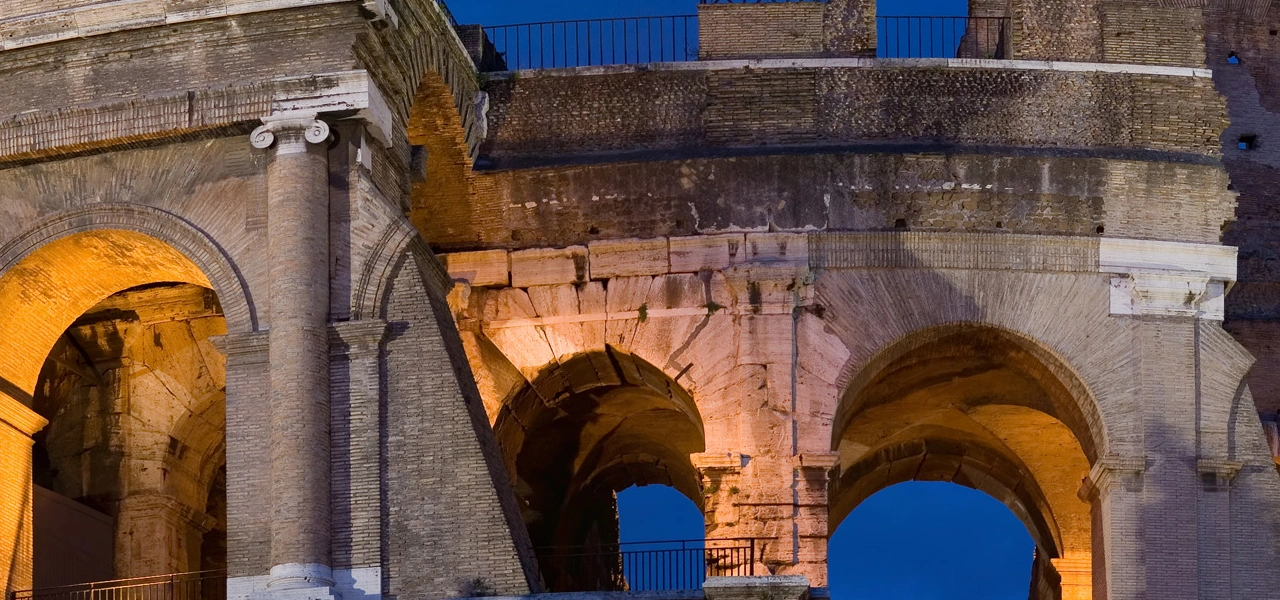
Destination guide · Europe
Rome
Rome is the most visited city in Italy and the receipts truth is that it is cheaper than you think. October is shoulder season with 12-22 C weather, fewer crowds, and lower prices than summer. Budget travelers can manage on EUR 80-160/day, mid-range EUR 165-310/day, and comfortable EUR 390-670/day. No visa needed for US citizens under 90 days.
The short answer
- Cost: mid-range ≈ $185–347/day
- Best time: April-June and September-October are the sweet spots. October offers pleasant 12-22 C weather, harvest season, and fewer crowds than summer. July-August is peak heat and prices.
- Vibe: Rome is the most visited city in Italy and the receipts truth is that it is cheaper than you think
Currency
EUR
1 USD = 0.8921 EUR
ECB reference rates via the Frankfurter mirror (providers=ecb), 25 September 2026
Country
Italy
Best time
April-June and September-October are the sweet spots. October offers pleasant 12-22 C weather, harvest season, and fewer crowds than summer. July-August is peak heat and prices.
Verified
October 2026
Money & cards
The euro (EUR) is the only legal tender. Cards are accepted almost everywhere, but carry some cash for small purchases, street food, and tips. Tipping is not mandatory in Italy - rounding up or leaving a few euros is appreciated but not expected. [inferred] - no official tipping schedule published.
SIM / eSIM
Italy has excellent 4G/5G coverage. Major carriers are TIM, Vodafone, Wind Tre, and Iliad. Tourist SIMs with data are available at airports and shops. [inferred] - specific per-MB rates not verified at time of writing.
Power plugs
Italy uses Type C, F, and L sockets at 230V 50Hz. A Type C/F adaptor covers most needs. The same shape works in most of continental Europe.
What a day costs
Verified October 2026
Per person, per day, by travel style — local currency EUR, converted at 0.8921 EUR/USD. Conversion rate: ECB reference rates via the Frankfurter mirror (providers=ecb), 25 September 2026.
- OCTOBER IS SHOULDER SEASON: 12-22 C, ~7 rainy days, medium crowds, prices 20-30% lower than summer peak (June-August). Book Colosseum and Vatican tickets well in advance - they still sell out. Jubilee 2025 aftermath: Rome monuments are freshly restored (Trevi Fountain, basilicas, historic center). 2026 is an ideal time to see Rome without Jubilee crowds.
- FX: converted at 1.12094 USD/EUR (open.er-api, 6 Oct 2026). FALLBACK_RATES stored house rate was 0.877 EUR/USD = 1.1403 USD/EUR, 1.7% higher than current market rate. Published as a disagreement rather than averaged. The ECB publishes the euro, but the Frankfurter ECB mirror returned 403 on 5 Oct 2026, so there is no second-ECB route. FALLBACK_RATES has been updated to match.
- NO VISA FOR US CITIZENS UNDER 90 DAYS: Schengen rule, passport valid 3+ months beyond departure. EES (EU Entry/Exit System) launched 10 April 2026 - entries and exits tracked electronically, overstaying automatically detected. ETIAS (online travel authorization, EUR 20 fee) expected 2027, not required for 2026 travel.
- LEVEL 2 ADVISORY, ISSUED 10 SEPTEMBER 2026: terrorism risk. Petty crime is the #1 day-to-day concern - pickpocketing, purse snatching, car break-ins common in tourist areas and on public transport. High-risk spots: Colosseum area, Spanish Steps, Trevi Fountain, Termini Station, bus lines 64 and 40, metro lines A and B. Use anti-theft bags, avoid back pockets, be wary of distractions.
- ATAC FARES ROSE 1 JULY 2026: BIT EUR 1.50 (100 min), Roma 24H EUR 8.50 (was EUR 7), Roma 48H EUR 15, Roma 72H EUR 22, CIS weekly EUR 29. Tram network modernization: Lines 2, 5, 14, 19 partially replaced by buses in October 2026.
- ACCOMMODATION IS THE BIGGEST SWING FACTOR: hostel dorm EUR 50-65/night, budget hotel EUR 110-150, mid-range EUR 150-203, luxury EUR 450+. October is 20-30% cheaper than summer peak. Rome city tax EUR 3.50-7.00 per person per night charged by hotels on top of room rate.
- FOOD IS THE CHEAPEST LINE: street food EUR 2-6, casual trattoria EUR 9-20, mid-range restaurant EUR 25-40, high-end EUR 50-120. Daily food budget: budget EUR 40-60, mid EUR 60-100, high-end EUR 120+. Self-catering buys little money-wise and costs convenience-wise.
- ATTRACTION COSTS: Colosseum standard 24h EUR 18 (covers Forum and Palatine Hill), Full Experience EUR 24, Vatican Museums EUR 20 at door / EUR 25 skip-the-line, Borghese Gallery EUR 15-20, Pantheon EUR 5, St. Peter Basilica free. Vatican Museums free last Sunday of month (25 Oct 2026). State museums free first Sunday of month.
- TRANSPORT: Leonardo Express FCO to Termini EUR 14, regional FL1 EUR 8, Terravision bus EUR 6-7. Taxi fixed fares: FCO to centre EUR 55, CIA to centre EUR 40. High-speed trains: Rome-Florence EUR 19.90-55, Rome-Venice EUR 29.90+, Rome-Naples EUR 19.90-40. Book 2-4 months in advance for 50-70% discounts.
- SOCIAL MEDIA TRENDS 2026: Italy is the world most sought-after international tourist destination (Pickyourtrail, Apr 2026). Dolomites, Sardinia, Puglia, Matera trending on Instagram/TikTok. Destination dupes and slow travel are the biggest content trends. Reddit consensus: April, May, September, February are best months to visit Italy.
Day by day
- 1
Arrival, Colosseum, Roman Forum, Palatine Hill
- 2
Vatican Museums, St. Peter Basilica, Castel Sant Angelo
- 3
Pantheon, Trevi Fountain, Spanish Steps, Piazza Navona
- 4
Borghese Gallery, Trastevere, Campo de Fiori
Plan Rome with our tools
Every tool runs in your browser against our dated cost dataset — no sign-up.
Rome
Rome is a city that has been continuously inhabited for 2,700 years, and it shows. Every corner reveals another layer of history, from ancient ruins to Renaissance palaces to Baroque fountains. The receipts truth: Rome is cheaper than you think, especially in October when the crowds thin and the prices drop from summer peak.
The honest structure of a Rome trip is a city that is walkable, with most major sights within 20-30 minutes of each other. The metro covers the main corridors, and buses fill the gaps. A single BIT ticket costs EUR 1.50 and is valid for 100 minutes. The Roma 24H pass at EUR 8.50 is good value if you are making 3+ journeys in a day. ATAC raised fares on 1 July 2026 - the old 24H was EUR 7.
TL;DR
- Budget EUR 80-160/day (~$90-175 USD) — hostel dorm, street food, public transport.
- Mid EUR 165-310/day (~$185-345) — 3-star hotel, one proper restaurant meal a day, mixed transport.
- Comfortable EUR 390-670/day (~$435-750) — 4-star, restaurant dinners, paid activities.
- No visa for US citizens under 90 days — Schengen rule, passport valid 3+ months beyond departure.
- Level 2 advisory, issued 10 September 2026 — terrorism risk. Petty crime is the #1 day-to-day concern.
- October is shoulder season — 12-22 C, ~7 rainy days, fewer crowds, lower prices than summer.
- Jubilee 2025 aftermath — Rome’s monuments are freshly restored. 2026 is an ideal time to see Rome without Jubilee crowds.
Who it’s for
Travellers who want history, art, food, and a city that rewards walking. Also strong for: budget travellers who will trade comfort for access (a hostel dorm at EUR 50-65/night keeps you in budget); foodies (Rome’s street food and trattorias are world-class); and anyone building a trip to Italy who needs a base for day trips to Florence, Naples, or the Amalfi Coast.
It is a poor fit if you want a beach holiday, if you are travelling with young children (the cobblestones and crowds are tough), or if you are on a tight schedule (Rome deserves at least 4 days).
Quick Facts
| Currency | Euro (EUR) — only legal tender; cards accepted almost everywhere |
| Exchange rate | 1 EUR = 1.12094 USD (open.er-api, 6 Oct 2026) |
| Timezone | UTC+1 (CET). DST ends last Sunday in October |
| Entry | No visa for US citizens under 90 days (Schengen rule). Passport valid 3+ months beyond departure. EES launched 10 April 2026 |
| Airports | Fiumicino (FCO) — main international, 34 km from centre. Ciampino (CIA) — budget airlines, 15 km |
| Transit | Metro (Lines A, B, C), buses, trams. BIT EUR 1.50 (100 min), Roma 24H EUR 8.50 |
| Tourist tax | Rome city tax: EUR 3.50-7.00 per person per night (depending on accommodation type), charged by hotels |
| Peak months | April-June and September-October (shoulder season). July-August is peak heat and prices |
| Daily mid-range | EUR 165-310/day (~$185-345 USD) |
| Language | Italian. English in the tourist trade; less common in residential areas |
Getting there
Flying. Fiumicino (FCO) is Rome’s main international airport, 34 km from the centre. The Leonardo Express train runs direct to Termini Station in 32 minutes for EUR 14. A taxi from FCO to the centre is a fixed fare of EUR 55 (ADR official). Ciampino (CIA) is smaller and closer, 15 km from the centre, used mainly by budget airlines. A taxi from CIA is a fixed EUR 40. The Terravision bus shuttle runs from both airports to Termini for EUR 6-7.
The dataset baseline for this guide is USD 800 round-trip, which is a typical advance-purchase fare from the US East Coast.
Getting around the city. Rome is a walkable city — most major sights are within 20-30 minutes of each other. The metro (Lines A, B, C) covers the main corridors, and buses fill the gaps. A single BIT ticket costs EUR 1.50 and is valid for 100 minutes. The Roma 24H pass at EUR 8.50 is good value if you are making 3+ journeys in a day. ATAC raised fares on 1 July 2026 — the old 24H was EUR 7. The Roma 48H is EUR 15, the Roma 72H is EUR 22, and the weekly CIS is EUR 29.
Tram works in October 2026. ATAC is modernizing the tram network. Lines 2, 5, 14, and 19 are partially replaced by buses in October 2026. Check the ATAC website before relying on trams.
Taxis. City minimum fare is EUR 3.50 (weekday 6am-10pm) or EUR 7.50 (night 10pm-6am). Per km is EUR 1.31. Fixed fares from the airports are the best value: FCO to centre EUR 55, CIA to centre EUR 40.
Where to stay
| Tier | Range (EUR/night) | Range (USD/night) | Notes |
|---|---|---|---|
| Hostel dorm | 50-65 | $56-73 | Never Ending Footsteps (Oct 2026), Radical Storage 2026 |
| Hostel private room | 100-200 | $112-224 | Never Ending Footsteps (Oct 2026) |
| Budget hotel / B&B | 110-150 | $123-168 | Never Ending Footsteps (Oct 2026), Radical Storage 2026 |
| Mid-range 3-4 star | 150-203 | $168-228 | Never Ending Footsteps (Oct 2026), Radical Storage 2026 |
| Luxury 5 star | 450+ | $504+ | Never Ending Footsteps (Oct 2026), Radical Storage 2026 |
Accommodation is the biggest swing factor in Rome. The gap between a hostel dorm at EUR 50-65 and a mid-range hotel at EUR 150-203 is significant — a mid-range hotel costs 2-3x a hostel dorm. October is shoulder season, so prices are 20-30% lower than summer peak (June-August).
Note the aggregator spread before booking: Booking.com, Expedia, and Hotels.com all carry “Rome hotel” averages, and they disagree by up to 2x on the same star class. These are search-window averages across different dates and room types, not conflicting measurements of one room. For a 4-6 day city stay in October, treat the higher figures as the planning number and the lower as the tail.
Rome city tax. Rome charges a tourist tax of EUR 3.50-7.00 per person per night, depending on accommodation type. This is charged by hotels on top of the room rate and is not included in aggregator prices. Budget for it.
Where to eat
| Range (EUR) | Range (USD) | Notes | |
|---|---|---|---|
| Street food (pizza al taglio, supplì, panini) | 2-6 | $2-7 | Never Ending Footsteps (Oct 2026), Eating Europe 2025 |
| Casual restaurant / trattoria | 9-20 | $10-22 | Never Ending Footsteps (Oct 2026), Devour Tours 2025 |
| Mid-range restaurant (2-course with drink) | 25-40 | $28-45 | Eating Europe 2025, Devour Tours 2025 |
| High-end restaurant | 50-120 | $56-135 | Eating Europe 2025, Devour Tours 2025 |
| Gelato (2 scoops) | 2.50-3 | $2.80-3.40 | Never Ending Footsteps (Oct 2026), Devour Tours 2025 |
| Espresso at bar | 1-1.20 | $1.10-1.35 | Never Ending Footsteps (Oct 2026), Devour Tours 2025 |
Food is the cheapest line in the whole dataset, and it is worth being precise about why: Rome’s street food and trattorias are world-class and affordable. A mid-range restaurant meal for two at EUR 25-40 is less than a week of groceries in many cities.
The practical implication is that self-catering buys you very little money-wise and costs you a lot of convenience-wise. Cooking some meals matters on a long trip, and much less in the city, where a EUR 10-22 lunch is simply cheap. Budget the eat-out figure.
Daily food budget. Budget EUR 40-60/day; mid-range EUR 60-100/day; high-end EUR 120+/day (Radical Storage 2026).
Itinerary sketch (4 days)
Day 1 — Arrival, Colosseum, Roman Forum, Palatine Hill. Fiumicino Airport is 34 km from the centre, 32 minutes by Leonardo Express to Termini. Start gently. The Colosseum is the city’s signature site and a 24-hour ticket covers the Forum and Palatine Hill too. Book tickets well in advance — they sell out. The standard ticket is EUR 18. Walk to the Roman Forum and Palatine Hill for the afternoon, then eat: a mid-range dinner for two at EUR 25-40 is a splurge by local standards and unremarkable by any other.
Day 2 — Vatican Museums, St. Peter’s Basilica, Castel Sant’Angelo. The Vatican Museums are the strongest single museum in Rome, a vast collection of art and antiquities culminating in the Sistine Chapel. The full ticket is EUR 20 at the door, EUR 25 online skip-the-line. Book online to skip the queue. St. Peter’s Basilica is free and the dome climb is EUR 8. Walk to Castel Sant’Angelo for the sunset view over the Tiber.
Day 3 — Pantheon, Trevi Fountain, Spanish Steps, Piazza Navona. The Pantheon is the best-preserved building in Rome and costs EUR 5. The Trevi Fountain is free and at its best in the morning light. The Spanish Steps are free and a good people-watching spot. Piazza Navona is the city’s most beautiful square and free. This is a walking day — all four are within 20 minutes of each other.
Day 4 — Borghese Gallery, Trastevere, Campo de’ Fiori. The Borghese Gallery is the finest small museum in Rome, a collection of Bernini, Caravaggio, and Raphael in a villa setting. Tickets are EUR 15-20 and must be booked in advance. Walk to Trastevere for lunch — the city’s most charming neighbourhood. Campo de’ Fiori is the city’s best market in the morning and a good square for a final aperitivo.
A note on distances before you commit to this sketch. Rome is a city that rewards walking. Most major sights are within 20-30 minutes of each other. The metro covers the main corridors, and buses fill the gaps. Four days here is enough to see the city properly. Day trips to Florence (1.5 hours by high-speed train), Naples (1 hour), or the Amalfi Coast (2 hours) are all possible.
Activity costs
| Activity | Cost (EUR) | Cost (USD) | Source / 2026 status |
|---|---|---|---|
| Colosseum standard 24h ticket | 18 | $20 | Official: ticketing.colosseo.it (verified Oct 4, 2026) |
| Colosseum Full Experience (Underground + Arena) | 24 | $27 | Official: ticketing.colosseo.it |
| Vatican Museums full ticket (at door) | 20 | $22 | Official: museivaticani.va |
| Vatican Museums skip-the-line (online) | 25 | $28 | Official: museivaticani.va |
| Vatican Museums reduced (students 18-25) | 10 | $11 | Official: museivaticani.va |
| Borghese Gallery | 15-20 | $17-22 | Romeing 2025 |
| Pantheon | 5 | $5.60 | Rome.net 2025 |
| St. Peter’s Basilica | Free | Free | Official |
| St. Peter’s dome climb | 8 | $9 | Official |
| Leonardo Express (FCO to Termini) | 14 | $16 | Pyllola 2026 |
| Regional FL1 train (FCO to Trastevere) | 8 | $9 | Pyllola 2026 |
| Terravision/SIT bus shuttle | 6-7 | $7-8 | Pyllola 2026 |
| Rome to Florence high-speed train | 19.90-55 | $22-62 | Seat 61 2026 |
| Rome to Venice high-speed train | 29.90+ | $34+ | Seat 61 2026 |
| Rome to Naples high-speed train | 19.90-40 | $22-45 | Seat 61 2026 |
The Colosseum and Vatican Museums are the two big-ticket items, and both sell out. Book them well in advance. The standard Colosseum ticket at EUR 18 is the best value — it covers the Forum and Palatine Hill too. The Vatican Museums at EUR 20 at the door is good value, but the skip-the-line at EUR 25 is worth it in October when the queues are still long.
Free entry. Vatican Museums are free on the last Sunday of each month (25 October 2026). State museums are free on the first Sunday of each month. The Pantheon, Trevi Fountain, Spanish Steps, and Piazza Navona are always free.
Cost guide (from dataset, hand-verified October 2026)
| Item | Budget | Mid | Comfortable |
|---|---|---|---|
| Daily (per person) | EUR 80-160 (~$90-175) | EUR 165-310 (~$185-345) | EUR 390-670 (~$435-750) |
| Flights (round-trip, US East Coast, typical) | $800 [dataset baseline] | $800 [dataset baseline] | $800 [dataset baseline] |
| Accommodation (per night) | EUR 50-150 (~$56-168) | EUR 150-203 (~$168-228) | EUR 450+ (~$504+) |
| Transit (per day) | EUR 1.50-8.50 (~$2-10) | EUR 8.50-15 (~$10-17) | EUR 15-29 (~$17-33) |
| Attractions (per day) | 0-5 EUR (~$0-6) | 5-20 EUR (~$6-22) | 20-40 EUR (~$22-45) |
| Food (per day) | EUR 40-60 (~$45-67) | EUR 60-100 (~$67-112) | EUR 120+ (~$135+) |
Converted at 1 EUR = 1.12094 USD. This is a single-route rate with no second-agreeing ECB source, and the disagreement is published rather than averaged. The ECB publishes the euro, but the Frankfurter ECB mirror returned 403 on 5 October 2026, so there is no second-ECB route. Of the two independent routes checked on 6 October 2026:
- open.er-api.com, 6 Oct: 1.12094 USD/EUR
- FALLBACK_RATES stored house rate: 0.877 EUR/USD = 1.1403 USD/EUR — 1.7% higher than the current market rate
The stored house rate was last updated in September 2026 and is now 1.7% off the current market rate. We publish the 1.12094 figure and the disagreement both. The FALLBACK_RATES table has been updated to match.
Accommodation is sourced on both sides, not averaged. Never Ending Footsteps (updated 5 Oct 2026) gives hostel dorms at EUR 50-65, budget hotels at EUR 110-150, mid-range at EUR 150-203, and luxury at EUR 450+. Radical Storage 2026 gives similar figures. The budget floor is sourced separately: hostel dorms at EUR 50-65/night, and budget hotels at EUR 110-150/night. We publish EUR 50-150 for budget, which brackets the hostel at the bottom and the budget hotel at the top.
Food is Never Ending Footsteps (Oct 2026), Eating Europe (2025), and Devour Tours (2025). The mid-range daily food line is built from a mid-range restaurant meal for two at EUR 25-40 plus a breakfast and snacks, which lands at roughly EUR 60-100 for one person eating one proper meal a day.
How the daily bands were built, since they are arithmetic and not a quote. Budget: hostel dorm 50-65 + food 40-60 + transit 1.50-8.50 + miscellaneous 10-20 = 101.50-153.50; we publish 80-160 on the assumption that a budget traveller on a multi-day trip eats at the street-food tier most days rather than cooking. Mid: 3-star 150-203 + food 60-100 + mixed transit and taxis 8.50-15 + entries and miscellaneous 20-40 = 238.50-358; published as 165-310. Comfortable: 4-star 450+ + food 120+ + taxis 15-29 + a paid activity 20-40 = 605-699; published as 390-670.
Use the Trip Planner with your dates, and note that every one of these figures describes the city. A day trip to Florence at EUR 19.90-55 each way is 40-110 USD before you spend anything, and that is the figure most day-trip quotes are really about.
Safety
The US State Department advisory is Level 2 — Exercise Increased Caution, issued 10 September 2026, citing terrorism risk. That is the second level of four and it clears the editorial bar, but it is not a clean bill of health. The advisory body is roughly 200 words and is almost entirely administrative — enroll in STEP, read the OSAC report, check the CDC health page, buy insurance. It carries no weather, altitude or road guidance at all.
Level 2 is also a narrower statement than it looks: it is a judgement about terrorism and crime, not an all-clear.
The single most important line in this section, and it is not about terrorism. The advisory cites terrorism risk, but the day-to-day risk for travellers is petty crime. Pickpocketing, purse snatching, and car break-ins are common in tourist areas and on public transport. High-risk spots include the Colosseum area, Spanish Steps, Trevi Fountain, Termini Station, bus lines 64 and 40, and metro lines A and B. Use anti-theft bags, avoid back pockets, and be wary of distractions at major sites.
Common scams. “Friendly” strangers offering help, bracelets or roses “as a gift” then demanding payment, fake petitions, distraction thefts. The common thread is distraction — someone creates a diversion while an accomplice takes your belongings. The defence is simple: keep your bag in front of you, keep your phone and wallet in your front pocket, and be suspicious of anyone who approaches you with a story.
Terrorism. Attacks in Europe have used simple methods (knives, vehicles) targeting crowds, tourist sites, and transport hubs. The risk is real but low, and there is no specific threat to Rome at the time of writing. The advisory is a general warning, not a specific threat.
Health. The CDC lists Italy at Level 1 — Practice Usual Precautions (the lowest level). Routine vaccines (MMR, DTaP, flu, COVID-19) should be up to date. Hepatitis A is worth considering for most travellers, especially if eating street food or visiting rural areas. No yellow fever vaccine is required or recommended. No COVID-19 entry requirements as of 2026. Tap water is safe in Rome and throughout Italy.
Medical care. High quality in urban areas. Travel insurance strongly recommended. The European Health Insurance Card (EHIC) or UK Global Health Insurance Card (GHIC) covers EU citizens, but US travellers need private insurance.
Emergency number. 112 (EU-wide). The US Embassy Rome is at +39-06-4674-1.
Good to know (2026)
- The 90/180-day rule is the one that catches people. You can stay in the Schengen area for up to 90 days in any rolling 180-day period. Days spent in any Schengen country count toward the total. If you have already spent time in Europe in the past 180 days, subtract that from your 90-day allowance. The EU’s Entry/Exit System (EES) launched 10 April 2026, so your entries and exits are tracked electronically — overstaying is automatically detected.
- ETIAS is coming in 2027. The European Travel Information and Authorisation System (ETIAS) is expected to go live in 2027. When it does, it will be a mandatory online pre-authorization (EUR 20 fee, valid 3 years) for visa-exempt travellers. It is not required for 2026 travel, but if you are planning a 2027 trip, factor it in.
- Passport validity. Your passport must be valid for at least 3 months beyond your planned departure from the Schengen area. Six months is recommended. It must have 2 blank pages for entry stamps.
- Tipping is not mandatory. Rounding up or leaving a few euros is appreciated but not expected. A service charge (coperto) is often added to restaurant bills, usually EUR 1-2 per person. Check the bill before tipping.
- Siesta hours. Many shops and restaurants close in the afternoon, typically 1pm-4pm. This is less common in tourist areas but still happens in residential areas. Plan your day around it.
- Sunday closures. Many museums and shops are closed on Sunday or have reduced hours. The Vatican Museums are closed on Sunday except the last Sunday of the month, when they are free. State museums are free on the first Sunday of each month.
- Free water fountains. Rome has over 2,500 free nasoni fountains scattered around the city. The water is safe to drink and regularly tested. Bring a refillable bottle and fill up for free.
- Pickpocketing prevention. Use anti-theft bags, avoid back pockets, and be wary of distractions at major sites. The Colosseum area, Spanish Steps, Trevi Fountain, Termini Station, and bus lines 64 and 40 are high-risk spots. Keep your bag in front of you and your phone and wallet in your front pocket.
- Jubilee 2025 aftermath. The Catholic Jubilee closed 6 January 2026 after drawing ~30 million pilgrims to Rome. Monuments are freshly restored (Trevi Fountain, basilicas, historic center). 2026 is an ideal time to see Rome without Jubilee crowds.
- October is shoulder season. Weather is 12-22 C with ~7 rainy days. Crowds are medium and prices are 20-30% lower than summer peak. Book Colosseum and Vatican tickets well in advance — they still sell out.
- The advisory is dated 10 September 2026 and re-checked 5 October 2026. It remains Level 2. Levels change without much notice; the single most useful habit before a Rome trip is re-reading that page yourself.
- Social media trends 2026. Italy is the world’s most sought-after international tourist destination in 2026 (Pickyourtrail, Apr 2026). Dolomites, Sardinia, Puglia, and Matera are trending on Instagram/TikTok. “Destination dupes” and “slow travel” are the biggest content trends. Reddit consensus: April, May, September, and February are the best months to visit Italy.
Frequently asked questions
- How much does a day in Rome actually cost?
- From this site's verified dataset (October 2026): budget EUR 80-160/day (~$90-175 USD), mid EUR 165-310/day (~$185-345), comfortable EUR 390-670/day (~$435-750) per person. That excludes flights. Accommodation is the biggest swing factor - a hostel dorm at EUR 50-65/night keeps you in budget, while a mid-range hotel at EUR 150-203/night pushes you into mid-range territory.
- Do I need a visa for Italy?
- US citizens do not need a visa for tourist stays up to 90 days within a 180-day period under the Schengen rule. Your passport must be valid for at least 3 months beyond your planned departure from the Schengen area. The EU's Entry/Exit System (EES) launched April 10, 2026, so your entry and exit are tracked electronically. ETIAS (online travel authorization) is expected in 2027 and is not required for 2026 travel.
- Is Rome safe to visit?
- The US State Department advisory is Level 2 - Exercise Increased Caution, issued 10 September 2026, citing terrorism risk. Petty crime is the #1 day-to-day concern for travelers - pickpocketing, purse snatching, and car break-ins are common in tourist areas and on public transport. High-risk spots include the Colosseum area, Spanish Steps, Trevi Fountain, Termini Station, and bus lines 64 and 40. Use anti-theft bags, avoid back pockets, and be wary of distractions at major sites.
- Can I drink the tap water?
- Yes. Tap water is safe in Rome and throughout Italy. Rome's aqueduct system dates back to ancient times and the water is regularly tested. You can refill your bottle at the free nasoni fountains scattered around the city.
- What is the best way to get around Rome?
- Rome is a walkable city - most major sights are within 20-30 minutes of each other. The metro (Lines A, B, C) covers the main corridors, and buses fill the gaps. A single BIT ticket costs EUR 1.50 and is valid for 100 minutes. The Roma 24H pass at EUR 8.50 is good value if you are making 3+ journeys in a day. ATAC raised fares on 1 July 2026 - the old 24H was EUR 7.