Destination guide · Europe
Gran Canaria
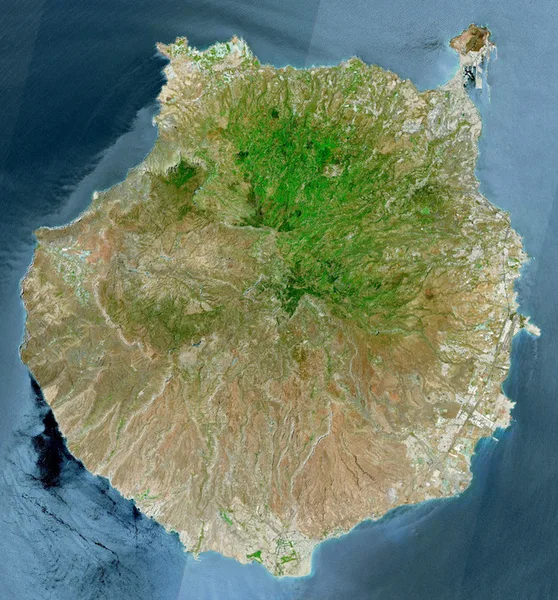
Gran Canaria's receipts line is the menú del día — a fixed-price lunch at €8-13 that gets you three courses, bread, and a drink at a local restaurant, and it is the single best value meal in Spain. The island is a 'miniature continent' with four distinct climates: the dry south with Maspalomas' 990 acres of protected sand dunes, the green north with Las Palmas' Blue Flag urban beach, the mountain interior with Roque Nublo's 80-metre volcanic monolith at 1,813m, and the resort coast with Playa del Inglés' 5.6km of unbroken sand. October and November are the sweet spot — the calmest months of the year, with 24°C/20°C temperatures, 7mm of rain, and 7-10 hours of sunshine. The US State Department rates Spain Level 2, Exercise increased caution, issued 1 August 2026, with terrorism and unrest as the risk indicators — the same level as most of Western Europe. Las Palmas is the second safest major city in Spain. The island uses the euro with IGIC sales tax at 7% (vs 21% mainland VAT), making it noticeably cheaper than mainland Spain for dining, electronics, and alcohol.
The short answer
- Cost: mid-range ≈ $168–185/day
- Best time: October and November are the shoulder-season sweet spot. October is the calmest month of the year — 24°C/20°C, 7mm of rain, 7-10 hours of sunshine, and the lowest wind speeds. November is slightly cooler and cloudier (22°C/19°C, 38% overcast) but still very pleasant, with the muggy period ending around November 18. The rainy season starts around November 27, so both months are essentially rainless. Hiking season begins in earnest in October — cooler temperatures make mountain trails like Roque Nublo genuinely enjoyable rather than punishing. Sea temperature is still warm enough for swimming (23°C October, 22°C November). The trade-off: November is the cloudiest month, and calima (Saharan dust) can strike any time, though it peaks in February, December and January. October is the cheapest month for flights from the US.
- Vibe: Gran Canaria's receipts line is the menú del día
Currency
EUR
1 USD = 0.8934 EUR
ECB reference rates via the Frankfurter mirror (providers=ecb), 23 October 2026
Country
Spain
Best time
October and November are the shoulder-season sweet spot. October is the calmest month of the year — 24°C/20°C, 7mm of rain, 7-10 hours of sunshine, and the lowest wind speeds. November is slightly cooler and cloudier (22°C/19°C, 38% overcast) but still very pleasant, with the muggy period ending around November 18. The rainy season starts around November 27, so both months are essentially rainless. Hiking season begins in earnest in October — cooler temperatures make mountain trails like Roque Nublo genuinely enjoyable rather than punishing. Sea temperature is still warm enough for swimming (23°C October, 22°C November). The trade-off: November is the cloudiest month, and calima (Saharan dust) can strike any time, though it peaks in February, December and January. October is the cheapest month for flights from the US.
Verified
October 2026
Money & cards
Gran Canaria uses the euro (€). It is part of Spain/EU but has a special tax regime: IGIC sales tax is 7% (vs 21% mainland VAT), making electronics, alcohol, perfume and dining noticeably cheaper than mainland Spain. The island is a duty-free zone — no VAT on many goods. ATMs: Euronet (yellow/blue) charge €3.50-5 fees per withdrawal — avoid them. Use bank ATMs or withdraw at the airport on arrival. Cards are widely accepted, but cash is still useful for small purchases, buses, and local restaurants.
SourceTipping
Tipping is expected but small. Restaurants typically add a 10% terrace surcharge plus mandatory bread/cover charges (€1.5-2.5 per person), so the menu price is not the bill — check before ordering. The menú del día (fixed lunch menu) at €8-14 is the best value on the island — three courses, bread, and a drink at local restaurants, Monday to Friday. It rises to €16-20 in resort areas. That is a traveller-consensus figure rather than a published tariff. [inferred from traveller trip reports, not a published tariff]
SIM / eSIM
Three national carriers — Movistar, Vodafone, and Orange — sell prepaid SIMs at the airport on arrival and in every town. Coverage is good across the island. Data is cheap by European standards. eSIMs work if your phone supports them, but buy and activate before arrival — activation can be blocked in the UAE (note: this is a UAE-specific issue, not Spain). WhatsApp calling works normally in Spain.
Power plugs
Plug type C and type F, 230V, 50Hz — the European two-round-pin types. A US adapter is required. This is standard European voltage, so a US or UK adapter will not fit without a converter.
SourceWhat a day costs
Verified October 2026
Per person, per day, by travel style — local currency EUR, converted at 0.8934 EUR/USD. Conversion rate: ECB reference rates via the Frankfurter mirror (providers=ecb), 23 October 2026.
- CURRENCY/TAX/VISA/SAFETY/WEATHER: Euro. IGIC 7% (vs 21% mainland VAT) — electronics, alcohol, dining cheaper. Duty-free zone. Euronet ATMs charge €3.50-5 — avoid. No visa for US citizens (90 days Schengen). Passport valid 3+ months. ETIAS (~€20) NOT in operation and no launch date published (verified 24 Oct 2026). Proof of accommodation required. US State Dept Level 2 (Exercise increased caution), issued 1 Aug 2026. Risk: Terrorism, Unrest. Las Palmas = 2nd safest major city in Spain (39.32 crimes/1,000). Main risks: pickpocketing at Las Canteras, bus stations, Yumbo at night. Car break-ins at trailheads. Violent crime rare. October = calmest month, 24°C/20°C, 7mm rain, 7-10 hrs sun. November = 22°C/19°C, 7mm rain, 6-7 hrs sun, cloudiest (38% overcast). Sea 23°C Oct, 22°C Nov. Rainy season starts ~Nov 27. CALIMA (Saharan dust): ~129 days/year, peaks Feb/Dec/Jan. FFP2 masks for respiratory conditions.
- COSTS/TRANSPORT/ACTIVITIES/SOCIAL: BudgetYourTrip Oct 2026: budget €45-66/day, mid €150-165/day, comfortable €245-286/day. Hostel €12-30/night, mid hotel €60-120/night, apartment €40-80/night. Food: menú del día €8-13, dinner €12-25, tapas €3-8, coffee €1.20-1.80, beer €1.50-2.50. Supermarket €10-18/day. Rental car €15-35/day. Bus €1.40-8.00. Activities: Roque Nublo FREE (reservation req), Maspalomas Dunes FREE, Las Canteras Beach FREE, boat tours €50-105, aquarium €27, Aqualand €31-35. Flights from US 66-836 RT (JFK 76-836, ORD 66-579, BOS 01-554). October cheapest. Buses: airport-Las Palmas €2.30-2.95, airport-Playa del Inglés €3.50, airport-Mogán €6.80. Day pass €8.50. TransGC card ~€0.85/ride. Rental car €15-35/day (Auto Reisin/Cicar, book 2+ wks ahead). Mountain roads narrow/winding — motion sickness common. Download offline maps. SOCIAL: Menú del día = best value (3 courses + drink €10-14, local restaurants not beachfront). Eat 2 streets inland — same food 1/2 to 1/3 price. Guachinches (family eateries in Valsequillo): house wine €2.5/carafe. Free Now app = taxi alternative. 10% terrace surcharge + bread/cover charges €1.5-2.5/person. Timeshare scam pressure at resorts. Split stay recommended: south beaches + north/Las Palmas city. RECENT: Air Transat Montreal+Toronto Dec 2026, easyJet Paris/Nantes Oct 2025, anti-tourism protests May 2025 (peaceful), ETIAS ~€20 with no launch date published.
Day by day
- 1
Maspalomas and the dunes
- 2
Puerto de Mogán and the southwest
- 3
Roque Nublo and the mountains
- 4
Arucas and Firgas
- 5
Transfer to Las Palmas
- 6
Las Palmas and Las Canteras Beach
- 7
Day trip or departure
Plan Gran Canaria with our tools
Every tool runs in your browser against our dated cost dataset — no sign-up.
TL;DR
Gran Canaria’s defining cost is a menú del día, not a hotel tier. The fixed-price lunch at €8-14 gets you three courses, bread, and a drink at a local restaurant, and it is the single best value meal in Spain. The island is a “miniature continent” with four distinct climates: the dry south with Maspalomas’ 990 acres of protected sand dunes, the green north with Las Palmas’ Blue Flag urban beach, the mountain interior with Roque Nublo’s 80-metre volcanic monolith at 1,813m, and the resort coast with Playa del Inglés’ 5.6km of unbroken sand.
The entry line that actually matters is ETIAS — the EU’s new travel authorization (~€20), which is not yet in operation and has no published launch date. US citizens will need to apply once it is, but no action is needed yet. Alongside it: a passport valid 3+ months beyond your planned departure, and no visa for stays up to 90 days.
The second structural fact is that Gran Canaria has four climates simultaneously. The south is dry and sunny, the north is green and cloudier, the mountains are cold and foggy, and the coast is hot and windy. You can rain in the north while the south gets 30°C. October and November are the sweet spot — the calmest months of the year, with 24°C/20°C temperatures, 7mm of rain, and 7-10 hours of sunshine.
What is genuinely cheap here is food and ground transport. BudgetYourTrip puts the budget daily rate at €45-66/day, and the menú del día at €8-14 is the best value meal on the island. What is not cheap is the south resorts — beachfront restaurants cost 2-3x what the same food costs two streets inland.
Who it’s for
You are the person who wants European infrastructure with African sunshine. Gran Canaria gives you a “miniature continent” — desert dunes, mountain hikes, colonial cities, and resort beaches — in a single island the size of Puerto Rico, with euro currency, 7% sales tax, and food that costs less than cooking at home. It suits travellers who will split their stay between the south (beaches) and the north (city) rather than planting themselves in one resort.
It is a good fit if you are comfortable with mountain roads, because the interior is the soul of the island and the roads are narrow, winding, and motion-sickness-inducing. It is a poor fit if you want a pure beach holiday with no variety — the south resorts can feel very touristy, with “every 500m a tourist-shop-street.”
On safety: this is a country where the ordinary risk is pickpocketing and car break-ins, not violent crime. Las Palmas is the second safest major city in Spain. The US State Department rates Spain Level 2, Exercise increased caution, issued 1 August 2026 — the same level as most of Western Europe. The mitigations are cheap and easy: use bank ATMs (not Euronet), never leave valuables visible in a car, and avoid the Yumbo area at night if you are solo.
Quick Facts
| Currency | Euro (€) |
| Exchange rate | 1 USD = 0.8934 EUR (ECB reference rate, 23 Oct 2026) |
| Language | Spanish is official; English is widely spoken in tourism |
| Timezone | GMT+0 (WET), GMT+1 (WEST) in summer |
| Entry | No visa for US passports; up to 90 days in a 180-day period (Schengen) |
| Visa fee | None for US passport holders |
| You must have | Passport valid 3+ months beyond departure, proof of accommodation, return ticket |
| Airport | Gran Canaria Airport (LPA), about 25km south of Las Palmas |
| Tourist tax | No city tourist tax; IGIC sales tax is 7% (vs 21% mainland VAT) |
| Park fees | Roque Nublo FREE (reservation required); Maspalomas Dunes FREE |
| Peak season | December-March (peak); October-November (shoulder, ideal) |
| Plugs | Type C and F, 230V, 50Hz |
Getting there
Gran Canaria Airport (LPA) is the only airport, about 25km south of Las Palmas and about 50km south of Maspalomas. It is a major hub for Canary Islands flights, with direct connections to Madrid, Barcelona, Lisbon, London, Berlin, Amsterdam, and seasonal direct flights from the US (Air Transat from Montreal and Toronto, December 2026 to April 2027). Round-trip fares from the US run $466-836 — JFK to LPA is $576-836, Chicago to LPA is $466-579, Boston to LPA is $501-554. October is the cheapest month for flights.
There is no high-speed rail, and the island is too large for a single bus line, so almost everyone combines buses with a rental car for part of the trip. The Global bus network (Guaguas Global, turquoise buses) is excellent and cheap — airport to Las Palmas is €2.30-2.95, airport to Playa del Inglés is €3.50, airport to Puerto de Mogán is €6.80. A day pass is €8.50 unlimited. The TransGC card reduces fares to ~€0.85/ride. Buy tickets on the bus or at the terminal.
One practical warning on the airport. LPA’s arrivals hall can be slow during peak hours, and the bus stops are a 5-minute walk from the terminal. Allow a real block of time and do not book a same-day connection to another island out of it.
Where to stay
| Tier | Where | Nightly |
|---|---|---|
| Budget | Hostel dorms, Las Palmas and Maspalomas | €12-30 |
| Budget | Self-catering apartments, Las Palmas | €40-80 |
| Mid | Mid-range hotels, Las Palmas | €60-120 |
| Mid | Mid-range hotels, Maspalomas and Playa del Inglés | €80-150 |
| Comfortable | 4-star hotels, Las Palmas and Maspalomas | €120-200 |
| Comfortable | 5-star resorts, Meloneras and Puerto de Mogán | €200-400 |
Two prices to anchor against rather than a vague band. BudgetYourTrip puts hostel dorms at €12-30 per night — cheapest in Las Palmas (€12-15), Maspalomas (€15-20), and Puerto de Mogán (€20-30). Mid-range hotels run €60-120 per night, with Las Palmas averaging €70 and Maspalomas/Meloneras at €100-150. For a longer stay, self-catering apartments in Las Palmas run €40-80 per night — the best value on the island.
The south resorts are not interchangeable with the north and the prices differ. Maspalomas and Playa del Inglés are the main resort areas — touristy, with 5.6km of unbroken sand and 50+ gay bars at the Yumbo Centre. Puerto de Mogán is the most expensive area (€152/night average) — “Little Venice” with canals and flower-lined streets. Las Palmas is the cheapest (€70/night average) and the most authentic — a working university city with the best food value on the island.
Where to eat
| Spot | Meal |
|---|---|
| Menú del día (fixed lunch, local restaurants) | €8-14 |
| Dinner at restaurant (tourist area) | €12-25 |
| Tapas (per portion) | €3-8 |
| Coffee (cortado) | €1.20-1.80 |
| Small beer (caña) | €1.50-2.50 |
| Supermarket (1 day) | €10-18 |
| Guachinches (family-run, highlands) | €2.5/carafe wine, massive meat platters |
Menú del día is the best value on the island. Three courses, bread, and a drink at €8-14, Monday to Friday, at local restaurants — not beachfront. It rises to €16-20 in resort areas. The trick: eat two streets inland from the beachfront, where the same food costs 1/2 to 1/3 the price. Guachinches (family-run eateries in Valsequillo and the highlands) are the other hidden gem — house wine at €2.5/carafe and massive meat platters.
Add 10% terrace surcharge + mandatory bread/cover charges (€1.5-2.5 per person) to restaurant bills, which is the reason the menu price and the total never match. Check the bill before paying.
Itinerary sketch (7 days / 6 nights, split stay)
Seven days is the minimum that does not feel like a commute. This is the classic split-stay itinerary — south for beaches, north for city, mountains for hiking — sequenced so the two long transfers do not sit back to back.
- Maspalomas and the dunes — land at LPA, take the bus to Maspalomas (€3.50, ~1 hour). The dunes are a protected 990-acre nature reserve — free to enter, iconic at sunset. Playa del Inglés is 5.6km of unbroken sand. This is the resort strip: touristy, but the dunes are genuinely spectacular.
- Puerto de Mogán and the southwest — bus to Puerto de Mogán (~€6.80, ~1.5 hours). “Little Venice” — canals, flower-lined streets, marina, fishing village charm. Friday market if you are here on a Friday. The most expensive area on the island, but the most picturesque.
- Roque Nublo and the mountains — rent a car for 2 days (€15-35/day). Drive to Tejeda, then La Goleta trailhead. Hike Roque Nublo Circular (7km, 2-3 hrs, moderate) — free, but reservation required. 80m volcanic monolith at 1,813m elevation. On clear days you can see Teide (Tenerife). Tejeda village for almond pastries.
- Arucas and Firgas — drive to Arucas (neo-Gothic church of San Juan Bautista, black volcanic stone, rum distillery). Then Firgas (“Atlantic balcony” — panoramic views, waterfall fountain, “water village”). Both are small towns, easy to combine in a half-day.
- Transfer to Las Palmas — bus or drive to Las Palmas (~€7-8, ~1 hour). The capital is the most authentic city on the island — university city, working port, best food value. Check into a self-catering apartment (€40-80/night).
- Las Palmas and Las Canteras Beach — Vegueta historic district, Triana shopping, Casa Colón (Columbus Museum), Museo Canario. Las Canteras Beach is a 3km urban Blue Flag beach with a natural reef — free, and one of the best city beaches in Europe.
- Day trip or departure — if you have time, take a boat to Tenerife or a star-gazing tour to Mirador Astronómico de la Degollada de las Yeguas (0 light sources). Otherwise, depart from LPA.
If you have 5 days, cut days 4 and 7. If you have 10+ days, add Tenerife (ferry from Agaete, ~1.5 hours) or La Gomera (stunning hiking island, ferry from San Sebastián).
Activity and park costs
Every figure here is the standard rate taken from operator or official sources.
| Activity | Cost (EUR) | Notes |
|---|---|---|
| Roque Nublo hike | FREE | Reservation required; 7km circular, 2-3 hrs, moderate |
| Maspalomas Dunes | FREE | 990 acres protected nature reserve |
| Las Canteras Beach | FREE | Blue Flag since 1989; 3km urban beach with natural reef |
| Boat tours (shared) | €50-105 | Dolphin watching, 3 hours |
| Poema del Mar Aquarium | €27 | Adult ticket |
| Aqualand | €31-35 | Water park |
| Camel rides | €25-35 | Short rides, tourist areas |
| Star gazing tours | €25-45 | Mirador Astronómico de la Degollada de las Yeguas |
| Bandama Volcano | FREE | Scenic viewpoint, short walk |
Roque Nublo is free — reservation required, but no entrance fee. That is remarkable for one of the most iconic hikes in the Canary Islands. Maspalomas Dunes are also free — a protected 990-acre nature reserve. Las Canteras Beach is free — a 3km urban Blue Flag beach with a natural reef.
The south resorts are where the money goes. Boat tours run €50-105, Aqualand €31-35, camel rides €25-35. These are operator-set prices, not published tariffs, so treat them as negotiated rather than listed.
Cost guide (from dataset, hand-verified October 2026)
| Item | Budget | Mid-range | Comfortable |
|---|---|---|---|
| Accommodation | €12-30 | €60-120 | €120-200 |
| Food | €8-14 | €20-40 | €50-80 |
| Local transport | €1.40-8.00 | €15-35 (car) | €35-50 (car) |
| Activities | €0-10 | €20-50 | €50-100 |
| Daily total | €45-66 | €150-165 | €245-286 |
| In USD at 0.8934 EUR/USD | $50-74 | $168-185 | $274-320 |
| Flights (round trip, US) | $466-579 | $576-836 | $836+ |
| Visa (one-off) | $0 | $0 | $0 |
The single most important thing to understand about that table is that it is not a south-resort table. The budget band assumes you stay in Las Palmas or a hostel, eat menú del día, and use public transport. The south resorts are 2-3x that — beachfront restaurants, resort hotels, and tourist pricing. An Gran Canaria quote that does not state whether it includes the south resorts is an unusable number.
Entry costs you will not have budgeted:
- There is no visa fee for US passport holders. The entry test to watch is ETIAS (~€20), not yet in operation and with no published launch date — a travel authorization, not a visa.
- There is no city tourist tax. IGIC sales tax is 7% (vs 21% mainland VAT), which is already included in prices.
- Roque Nublo hike is free — reservation required, but no entrance fee. Maspalomas Dunes are free. Las Canteras Beach is free.
What the sources behind these bands can and cannot support. The food, transport and accommodation figures come from BudgetYourTrip (October 2026 data) and Nomado Travel (2026) — crowd-sourced and directional rather than authoritative, but the best-published cost read on the island. The activity costs are first-party and exact, because park fees and tour operators publish tariffs. The accommodation bands are the weakest of the three: they are built from aggregator averages and hostel dorm prices rather than from a rate sheet, so they are planning numbers and a booked rate is the only real one.
One cross-check worth running against yourself. BudgetYourTrip states that the average daily cost of travel in Gran Canaria is €150-165 for a mid-range traveller, which is about €2,100-2,300 for a two-week trip excluding flights. That is a useful sanity check that the bands we publish and the daily figures we sourced are describing the same island in the same season.
Safety
The US State Department advisory for Spain is Level 2, Exercise increased caution, issued 1 August 2026, with terrorism and unrest as the risk indicators. Read the advisory’s own summary rather than the headline: terrorist groups continue plotting possible attacks, and targets include tourist locations, transport hubs, shopping areas, hotels, and restaurants. Demonstrations are common.
Level 2 is driven by ordinary crime and terrorism risk, not by a war, a disaster or a health emergency — the reason it clears the editorial bar here is that it is not Level 3. Every guide in this series carries its advisory level and issue date, and this is the one to read properly rather than skim.
Las Palmas is the second safest major city in Spain (after Zaragoza) — 39.32 crimes per 1,000 inhabitants (2025). Crime decreased 2.4% in H1 2026 while Spain overall rose 0.5%. Theft (pickpocketing) is down 8%, home burglaries down 15%, vehicle theft down 25%. The main tourist risks are pickpocketing at Las Canteras promenade, bus stations, and Yumbo at night, and car break-ins at trailhead parking areas (Roque Nublo, Guigui). Never leave valuables visible in a car.
Two practical safety notes specific to this island. Car break-ins at trailheads are a known problem — the parking areas at La Goleta (Roque Nublo) and Tasartico (Guigui) are targeted. The mitigation is straightforward: never leave valuables visible in a car, and do not leave luggage in a rental car at a trailhead. Separately, the mountain roads are genuinely dangerous — narrow, winding, with locals driving fast. Motion sickness is common. Download offline maps before driving to remote areas, because there is no signal.
Good to know (2026)
- Gran Canaria uses the euro, but with a special tax regime. IGIC sales tax is 7% (vs 21% mainland VAT), making electronics, alcohol, perfume and dining noticeably cheaper than mainland Spain. The island is a duty-free zone — no VAT on many goods. ATMs: Euronet (yellow/blue) charge €3.50-5 fees — avoid them. Use bank ATMs or withdraw at the airport.
- ETIAS is coming, but with no date. The EU’s new travel authorization (~€20) is not in operation and the Commission has published no launch date. US citizens will need to apply once it is, but no action is needed yet. It is a travel authorization, not a visa.
- The island has four climates simultaneously. The south is dry and sunny, the north is green and cloudier, the mountains are cold and foggy, and the coast is hot and windy. You can rain in the north while the south gets 30°C. Pack layers and check the weather for your specific area, not the island as a whole.
- Menú del día is the best value on the island. Three courses, bread, and a drink at €8-14, Monday to Friday, at local restaurants — not beachfront. It rises to €16-20 in resort areas. The trick: eat two streets inland from the beachfront, where the same food costs 1/2 to 1/3 the price.
- Roque Nublo is free, but reservation is required. The 80m volcanic monolith at 1,813m elevation is the iconic symbol of Gran Canaria. The 7km circular hike takes 2-3 hours, moderate difficulty. On clear days you can see Teide (Tenerife). Book the reservation online before you go.
- The south resorts can feel very touristy. “Every 500m is a tourist-shop-street.” Walled hotel gardens dominate. The authentic island lies in the rugged northern coast and historic mountain villages. Split your stay — south for beaches, north/Las Palmas for authentic city experience.
- Car break-ins at trailheads are a known problem. The parking areas at La Goleta (Roque Nublo) and Tasartico (Guigui) are targeted. Never leave valuables visible in a car, and do not leave luggage in a rental car at a trailhead.
- Calima (Saharan dust) can strike any time. ~129 days/year, peaking Feb/Dec/Jan. Sky turns orange-red, visibility <3km, temps spike 10°C in hours. FFP2 masks recommended for respiratory conditions. AEMET issues Red Warnings.
- You are in a 230V country. Spain uses the European 230V system, so type C and F plugs and EU-style chargers work directly. A US or UK adapter is required.
- Gran Canaria is part of the Schengen zone, so a stop here consumes Schengen 90/180 days. It is however in the region covered by the EES/ETIAS conversation the site covers separately.
- Recent flight changes: Air Transat launched Montreal and Toronto to Gran Canaria (December 2026 to April 2027, 2x/week). easyJet launched Paris, Nantes, Lyon, Milan (late October 2025). Jet2 launched London Gatwick (summer 2026). Norwegian launched Billund, Bergen, Stavanger (summer 2026).
- Anti-tourism protests occurred in May 2025 (“Canarias tiene un límite”) — peaceful, not directed at individual holidaymakers. Fodor’s “No List” 2026 includes the Canary Islands due to overtourism. Record tourism Q2 2025: 890,000 visitors, €1.18 billion revenue.
- October events: Gran Canaria Walking Festival (XV edition, Oct 15-18, 2026, island-wide hiking). Festival of the Sea (boat procession, 2nd Saturday of Oct). Noche de Los Finados (Halloween, Oct 31). Big Bang Vintage Festival (early Oct, Las Palmas).
- November events: All Saints’ Day (Nov 1, island-wide). Feria del Libro Gran Canaria Lee (mid-Oct, Agüimes). Christmas markets and lights (late November, various towns). Winter Pride (Maspalomas, November).
Frequently asked questions
- Do US citizens need a visa for Gran Canaria?
- No. Gran Canaria is part of Spain, which is in the Schengen zone. US passport holders can stay up to 90 days in a 180-day period without a visa. You need a passport valid for at least 3 months beyond your planned departure from Schengen. ETIAS (~€20) is not yet in operation and the EU has published no launch date — US citizens will need to apply once it is, but no action is needed yet. Proof of accommodation is required at the border, and you must have a return ticket.
- Is October/November a good time to visit Gran Canaria?
- It is the shoulder-season sweet spot. October is the calmest month of the year — 24°C/20°C, 7mm of rain, 7-10 hours of sunshine, and the lowest wind speeds. November is slightly cooler and cloudier (22°C/19°C, 38% overcast) but still very pleasant, with the muggy period ending around November 18. The rainy season starts around November 27, so both months are essentially rainless. Hiking season begins in earnest in October — cooler temperatures make mountain trails like Roque Nublo genuinely enjoyable. Sea temperature is still warm enough for swimming (23°C October, 22°C November). The trade-off: November is the cloudiest month, and calima (Saharan dust) can strike any time, though it peaks in February, December and January.
- Is Gran Canaria safe for tourists?
- The US State Department rates Spain Level 2, Exercise increased caution, issued 1 August 2026. The risk indicators are terrorism and unrest — the same level as most of Western Europe. Terrorist groups continue plotting possible attacks, and targets include tourist locations, transport hubs, and shopping areas. Demonstrations are common. Pickpocketing and theft are very common; car break-ins are frequent at trailhead parking areas (Roque Nublo, Guigui). Las Palmas is the second safest major city in Spain (after Zaragoza) — 39.32 crimes per 1,000 inhabitants (2025). Crime decreased 2.4% in H1 2026 while Spain overall rose 0.5%. The main tourist risks are pickpocketing at Las Canteras promenade, bus stations, and Yumbo at night. Violent crime is rare.
- How much does a trip to Gran Canaria cost?
- It depends on whether you stay in the south resorts or the north. BudgetYourTrip puts the budget daily rate at €45-66/day, mid-range at €150-165/day, and comfortable at €245-286/day. Hostel dorms run €12-30/night; mid-range hotels €60-120/night. The menú del día (fixed lunch) at €8-14 is the best value meal on the island. A 7-day trip for two people runs roughly €700-1,200 on a budget, €2,100-2,300 mid-range, €3,400-4,000+ comfortable, excluding flights. Flights from the US run $466-836 round trip, with October the cheapest month.
- Should I rent a car or use public transport?
- It depends on your itinerary. The Global bus network is excellent and cheap — airport to Las Palmas is €2.30-2.95, airport to Playa del Inglés is €3.50, and a day pass is €8.50 unlimited. The TransGC card reduces fares to ~€0.85/ride. For a pure beach holiday in the south or a city break in Las Palmas, you do not need a car. For exploring the mountain interior (Roque Nublo, Tejeda, Arucas, Firgas), a rental car is strongly recommended — mountain roads are narrow, winding, and motion sickness is common. Rental cars run €15-35/day from local companies like Auto Reisin or Cicar (book 2+ weeks ahead). Download offline maps — there is no signal in remote mountain areas.